Air Matters: Connecting Community, Classrooms, & Clean Air
Led by Chris Iceman, Ph.D., Valparaiso University
When: April 28, 2026 8:30 a.m. -2:30 p.m. CST
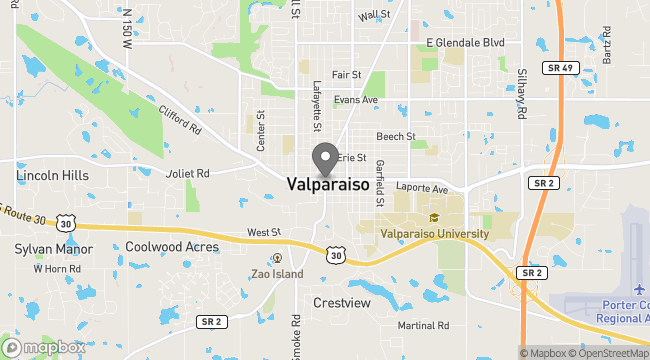
Where: Valparaiso University, Christopher Library (CCLIR218)
Who: Open to all 6-12th grade formal and non-formal educators.
Cost: $35 - Dunes Learning Center has generous support from the National Park Foundation to pay for a substitute teacher for your classroom. Click here for the information to prepare an invoice for Dunes Learning Center. We thank you for investing in continuing education and place based information to take back to your classroom.
5 PGP points
Participants will gain a foundational understanding of air quality science, including what air quality is, how it's measured using the Air Quality Index (AQI), and why monitoring air quality matters for public health and environmental stewardship.
Through hands-on exploration, educators will learn about PurpleAir sensors—low-cost, real-time air quality monitors that are transforming citizen science. We'll examine how these sensors work, explore the existing network of monitors in our region and beyond, and discover practical ways to use publicly available data in educational settings.
By the end of this session, participants will be ready to bring air quality monitoring into their curriculum, empowering students to become environmental scientists who investigate and understand the air they breathe every day.
Questions? Please email curious@duneslearningcenter.org.
About Chris Iceman, Ph.D., Associate Professor of Chemistry at Valparaiso University
For the past ten years, Chris has been engaged in environmental justice work in Northwest Indiana, providing scientific analysis for community-led initiatives focused on soil, water, and especially air. As part of this effort, he has helped install and maintain a network of approximately 30 PurpleAir sensors across Lake, Porter, and La Porte counties, ensuring continuous data collection and accessibility. Beyond deployment, he has worked extensively with his students on data analysis and archiving, supporting residents as they navigate air permit hearings with agencies such as IDEM and the EPA. This work bridges community concerns with scientific rigor, empowering local advocacy with clear, actionable environmental data.